
Promoters & Events
Promoters were the practical backbone of an event: finding venues, securing licences, booking sound systems and artists, printing flyers, selling tickets and putting their own money at risk before the first record was played.
Promotion meant making the night happen
The earliest rave organisers were solving practical problems as much as creative ones. Conventional clubs closed too early, venues did not understand the new audience and authorities were increasingly suspicious of large all-night gatherings. A promoter needed a room or field, power, toilets, security, sound, lighting, DJs, transport information and enough trust for thousands of people to follow incomplete directions into the night.
That work can disappear when history is reduced to a line-up. Yet the promoter shaped far more than who played. Promoters determined scale, visual identity, local networks, production standards and often the careers of the artists inside the room.
Promoters who kept delivering built a following. Once ravers knew the name, they would follow it from one venue to the next — Raindance, Dreamscape, Fantazia, Helter Skelter, Telepathy, One Nation and many others.
From temporary parties to big venues and national followings
Rave grew so quickly that the promoter role changed within a few years: from finding a temporary site to managing repeat venues, national coach networks and audiences who recognised the promoter name before the postcode.
Warehouse & orbital crews
Genesis, Sunrise, Biology, Energy, Raindance and others used phone lines, service stations, word of mouth and temporary industrial spaces. Promotion meant solving logistics outside ordinary club systems.
Licensed rave becomes a destination
The Eclipse, Sanctuary, Westpoint, Donington, airfields and exhibition centres changed the scale. Dreamscape, Fantazia, Universe, Amnesia House, Obsession and others built repeat audiences and recognisable identities.
The audience fragments without disappearing
Hardcore, jungle, happy hardcore, techno and other branches increasingly developed their own promoters, rooms and regular crowds while still sharing artists, venues and sound systems.

Dreamscape at The Sanctuary
The surviving Dreamscape artwork works better as a wide historical feature than squeezed into a portrait flyer grid. It documents the period when ESP and Dreamscape turned repeat venues, production and a recognisable promoter identity into a national rave destination.
Not faceless brands. People taking risks.
The purpose here is not a promoter hall of fame. It is to put identifiable people back behind organisations that later became remembered mainly as logos.
Murray Beetson & the original ESP crew
Murray Beetson helped turn ESP from a smaller Northamptonshire operation into Dreamscape and one of rave’s defining organisations. Dreamscape’s own history credits an original crew including Stacey Heath, Vanessa Kyte, Max Beetson, Tony DelaHaye, Kevin Collis, Steven Simms, Will Tang and Jim Tang. Murray’s work at The Sanctuary — including funding additional fire exits to increase capacity — shows how much rave history rested on the practical work behind the night.
James Perkins, Gideon Dawson & Chris Griffin
Fantazia was founded by James Perkins, Gideon Dawson and Chris Griffin. Their approach pushed production itself to the front: spectacular environments, strong visual branding and confidence that the Fantazia name could sell an experience beyond a list of DJs. Westpoint, Matchams and Donington demonstrated how far a rave organisation could scale.
Paul Nelson, Lou Lewis & Ray Spence
The first Raindance at Jenkins Lane was organised by Paul Nelson, Lou Lewis and Ray Spence, with the sound system supplied by Paul Raindance. Promoter knowledge, sound-system know-how and local networks combined to create a name that endured far beyond one event.
David & Penny Pratley
David and Penny Pratley founded Helter Skelter during the orbital-rave era. The organisation later became closely associated with The Sanctuary and expanded multi-arena events to enormous scale, allowing hardcore, jungle/drum & bass and techno communities to coexist under one brand.
Kenny “Sting” King
Kenny “Sting” King connected promotion to a wider East London scene: Telepathy, Life Utopia, Deja Vu FM and later the Stratford Rex. His history links sound-system culture, pirate radio, hardcore, jungle, garage and grime in one local network.
Terry “Turbo” Stone
Terry Stone entered rave through flyering and ticket selling before founding One Nation in his early twenties. That route from street-level promotion into a nationally recognised jungle and drum & bass organisation shows how entrepreneurial the scene could be while remaining rooted in underground networks.
Different regions built different circuits
The national rave story is strongest when promoters are understood as regional organisers with their own venues, record shops, radio stations and local audiences — not simply touring brands from London.
From orbital rave to multi-arena scale
Helter Skelter’s surviving artwork reads better as a standalone historical object than as a cropped flyer card. The image sits beside the story of how the organisation grew from its 1989 roots into one of the defining large-scale hardcore and jungle promoters of the 1990s.

 ▶
▶The organisers while the scene was still growing
The UK Rave Scene and Its Promoters catches the organisations while rave was becoming a national industry, with the people behind the names talking about the work as it was happening rather than looking back decades later.
The night travelled after sunrise
A major promoter did not disappear when the doors closed. Artwork, pirate radio, hotlines, coaches, tape packs and video let one event circulate for months and sometimes survive for decades.
Big names, distinct communities
By the mid-1990s promoter names increasingly signalled not just scale but musical identity. Hardcore, jungle, drum & bass and other branches each developed promoters that audiences trusted on sight.
Helter Skelter, One Nation, Telepathy, AWOL, Jungle Fever, Roast, Desire, Innovation, United Dance, Slammin Vinyl, Hardcore Heaven and others built specialist communities while sharing venues, artists, sound systems and crews.
The promoter name told ravers what kind of night to expect. They often knew the likely sound, production and residents before reading the complete line-up. Resident DJs could develop with an event over years. MCs became inseparable from particular tapes and rooms. Designers built recognisable flyer styles across dozens of events.
This is also where promoter history expands beyond founders. Sound-system operators, production crews, tape-pack teams, photographers, ticket agents, security, coach organisers, venue staff and flyer artists all helped turn a promoter name into a night people came back to.
 ▶
▶Helter Skelter: 1989–1999
The 1989–1999 Helter Skelter film follows the name from its orbital-rave beginnings into the huge multi-arena events of the late 1990s, with organisers, artists and footage from the decade telling the story together.
Follow the organisations back into the nights
The human history comes first; these routes then open the actual flyers, recordings and event pages that survived.

London / Essex
Early rave history and later surviving sets connect Jenkins Lane to a promoter identity that endured.
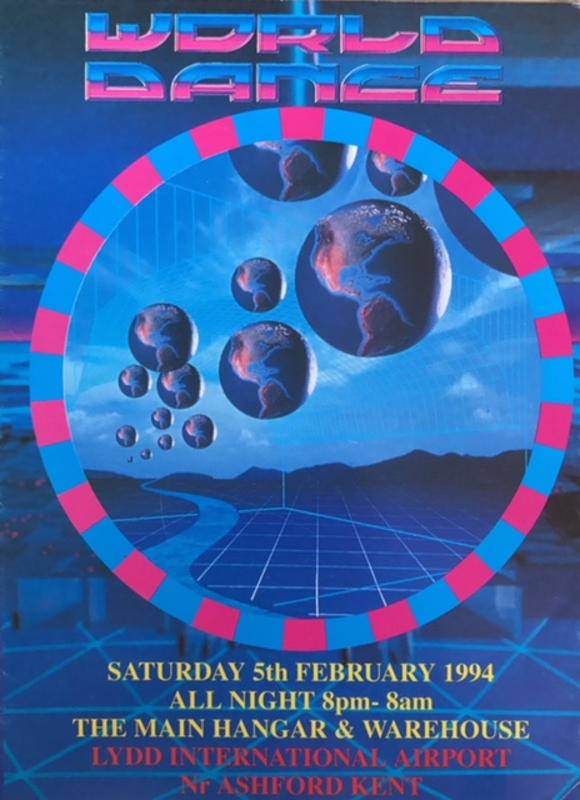
Lydd Airport
1994 material captures a promoter operating directly across the broader-rave to jungle transition.

Jungle mainstay
The archive follows One Nation from the Astoria through Wembley and later venue eras.

East London network
Telepathy connects hardcore and jungle to pirate radio, Club UN and the wider Stratford story.

Paradise Club
The Paradise era survives especially strongly through Live in London recordings and the final-night tapes.
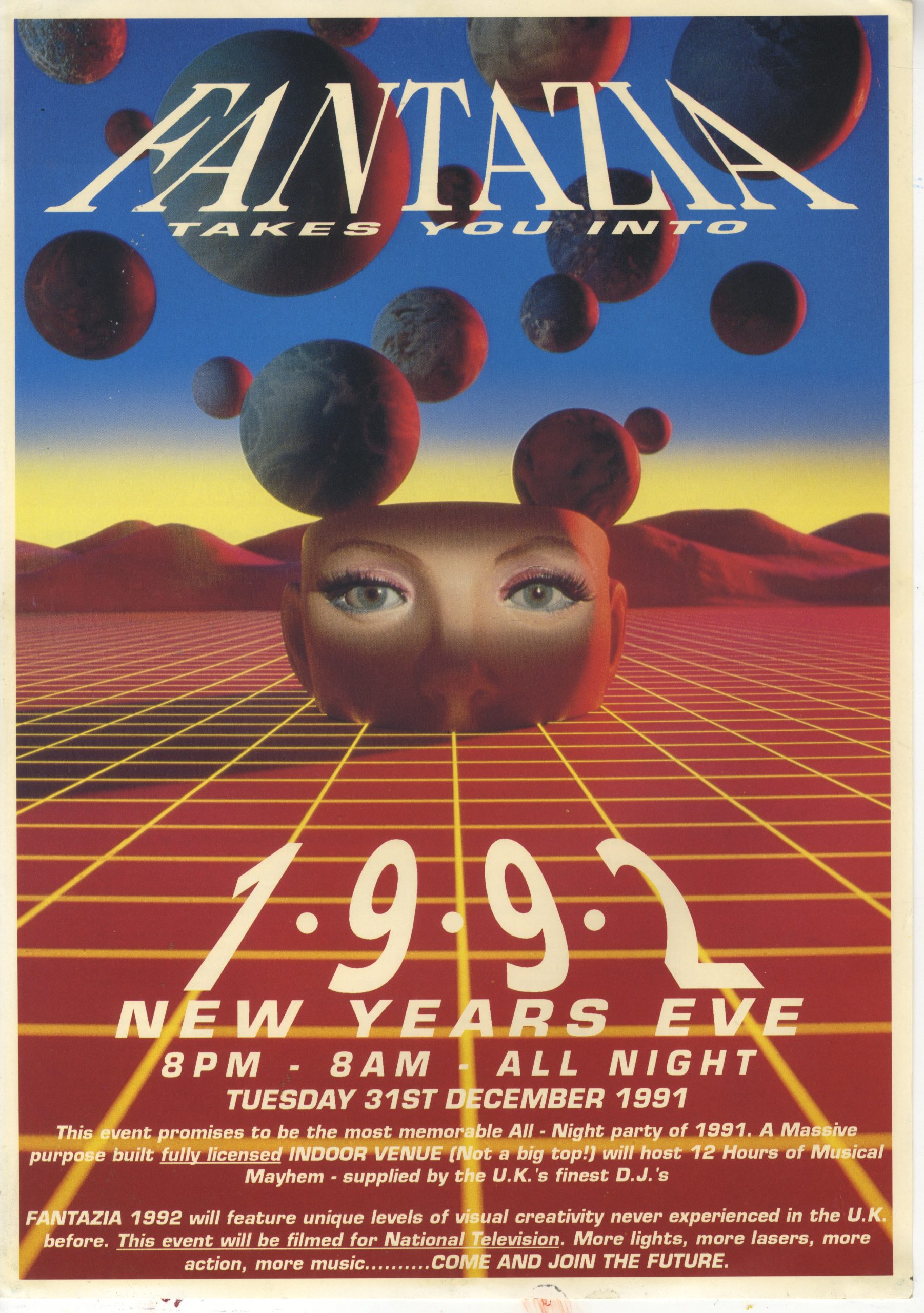
Production at scale
Original flyer material records an organisation that helped turn mega-rave production into part of the headline.
Promoter history connects the whole archive
A promoter name can link the venue, flyer, tape pack, pirate advert and surviving recording around the same date.
The promoter name was never just a logo.
Behind every surviving flyer is somebody who persuaded a venue, paid a printer, booked a rig, built a crew and hoped the crowd would come. The archive can put those people back into the story.
