Ash-A-Tack
From rare groove and lovers at fifteen to Black Market Records, Kool FM, Telepathy, Life Records, Bassdrive and Directors Cut, Ash-A-Tack has spent decades moving through the working infrastructure of jungle and drum & bass.
From the record shop basement to the long game
Ash-A-Tack’s history is not built around one crossover single. It is the story of a working DJ who became part of the machinery that kept jungle moving: record shops, pirate radio, residencies, tape culture, labels and weekly broadcasts.
Ash-A-Tack began DJing young. His Bassdrive biography traces the start to the age of 15, playing rare groove and lovers rock before the harder breakbeat sound took over. Local boat parties and house parties became the first regular places to play, giving him the kind of crowd experience that came before the large rave flyers.
As hardcore fragmented and jungle took shape, Ash moved into a network of early residencies that reads like a map of London rave: Moondance, Thunder & Joy, Telepathy and Ratpack’s Monday Club. These were not retrospective old-skool bookings. They were working rooms while the music itself was changing.
The next major step was Black Market Records in Soho. A surviving 1994 Generator magazine feature on the shop’s jungle operation names Ash-A-Tack alongside Nicky Blackmarket, Ray Keith and Clarky as part of the crew working around the basement. The shop was more than retail: it was a meeting point for new dubplates, promoters, DJs and the information network surrounding jungle.
That Black Market connection is also audible. Ash’s 13 June 1994 Blackmarket Records Jungle Studio Mix survives with a tracklist full of records by Undercover Agent, Randall & Andy C, Roni Size & DJ Die, Leviticus, UK Apachi & Shy FX and other producers who were defining the period. The tape is a useful snapshot of what jungle sounded like while the terminology and tempo were still settling.
By the mid-1990s Ash was also connected to the pirate-radio culture that gave jungle a weekly life outside raves. Kool FM recordings survive from the period, and later archives document sets with MCs including Skibadee, Shabba D and IC3. One of Ash’s less obvious historical contributions is his role in Spirit of the Jungle: later recollections of Skibadee’s rise credit Ash with bringing him into the event as a resident during the MC’s early breakthrough.
That detail matters because it shows how careers were actually built. Jungle history did not move only through headline DJs and released records. Promoters, residents and selectors gave new MCs a room to prove themselves, and the same people would then meet again on pirate radio, tape packs and larger events.
Ash’s bookings expanded through the second half of the decade. Surviving biographies and event records place him across Roast, Perception, Innovation, Raindance, Slammin Vinyl, United Dance, Pure Science, Trouble on Vinyl and other major jungle / drum & bass promotions. A 1995 One Nation review in Atmosphere magazine also records Ash Attack opening the night before Cool Hand Flex, Dr S Gachet and Andy C.
Production and label work developed alongside the DJ career. With DJ Alibi, Ash launched Life Records. The label’s first release, First Limitations / Silent Rage, dates to 1999, and later Life material included tracks such as You Don’t Try and Don’t. This moved Ash from playing new music into helping create and release it.
By the mid-2000s the career had become international. Contemporary tour material documents dates across Europe, Canada, South Africa and the United States while still identifying him with Black Market and Life Records. Online broadcasting then became another route: the Just On Track show moved through DnBTV and later Bassdrive, carrying the same selector role into internet radio.
Bassdrive’s surviving profile describes Just On Track as one of the station’s established shows and connects it directly to Ash’s label work. That continuity is important. The technology changed from pirate transmitters and cassette tapes to global streaming, but the job remained recognisable: present new drum & bass, bring through guests and keep a regular audience connected to what was forthcoming.
The next label chapter was Directors Cut, created with DJ Damage. The imprint gave Ash another platform for newer artists and contemporary drum & bass rather than making him dependent on an old-skool reputation. Releases and label nights placed him in the same network as artists including Alibi, LJHigh, Real Deal and others supported across the wider scene.
His own production also continued. Later writing on modern ragga jungle groups Ash with artists continuing the reggae / jungle lineage into newer music, while event listings through the 2010s and 2020s show him still active across both current drum & bass and heritage jungle bookings.
For Rave Archive UK, that is the key to Ash-A-Tack. He is not a one-era profile. The line runs from early lovers and rare groove through hardcore, jungle, pirate radio, Black Market, record labels and internet radio to contemporary bookings. It is exactly the kind of career that explains how a scene survives between its famous moments.
From early rooms to global radio
Rare groove & lovers
Ash starts at fifteen, learning to hold local boat and house parties before hardcore and jungle become the centre of the career.
Moondance, Telepathy & Monday Club
Residencies inside London’s rave network put him into regular contact with the crowds, MCs and promoters shaping the emerging jungle scene.
Black Market jungle
The Soho shop becomes a major base. Period press places Ash alongside Nicky Blackmarket, Ray Keith and Clarky; the June 1994 Blackmarket studio mix survives as an audio document.
Kool FM & Spirit of the Jungle
Pirate-radio sets, club residencies and a role in Skibadee’s early rise connect Ash directly to the MC-led jungle culture becoming dominant in the second half of the decade.
Life Records
Production with DJ Alibi and the launch of Life Records move the career into label ownership and original releases.
Just On Track
DnBTV and Bassdrive turn the weekly radio habit into an international internet broadcast, continuing the selector-and-guests format beyond pirate FM.
Directors Cut & continued jungle
A new label with DJ Damage, contemporary production and continuing bookings keep Ash inside the active scene rather than frozen in the 1990s.
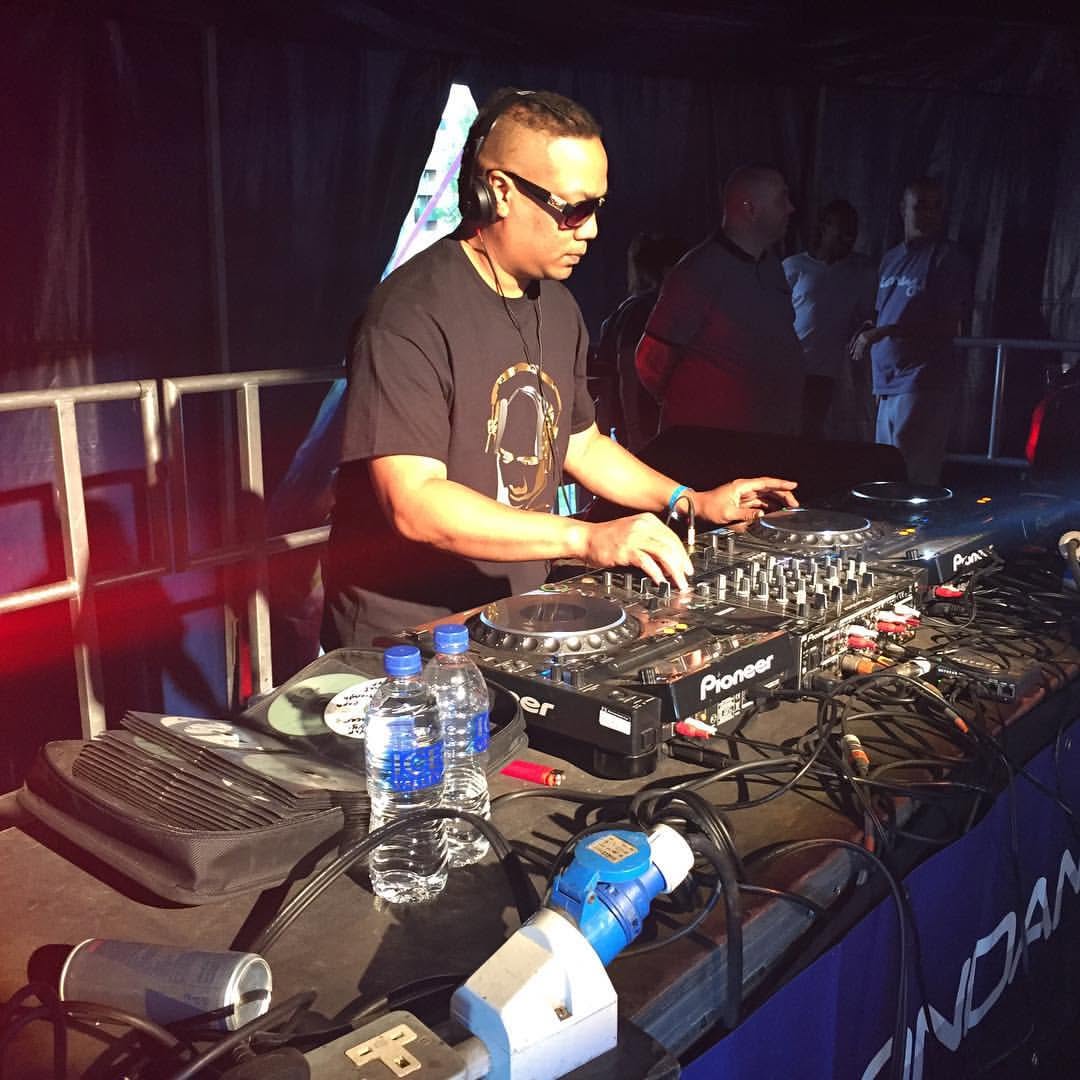
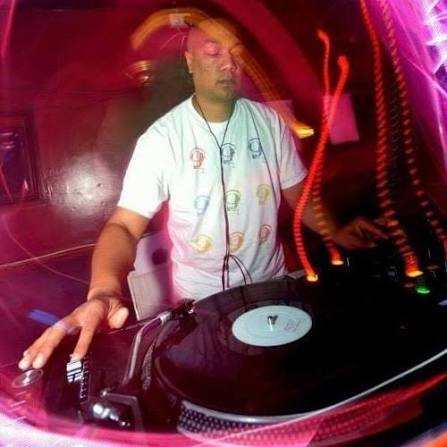
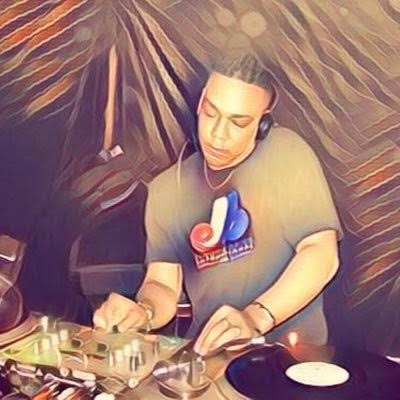
Ash-A-Tack behind the decks
Three images from the Rave Archive UK artist collection, ranging from vinyl-era booth photographs to later digital-DJ appearances.
Interview, jungle and the working DJ
Rave Archive UK holds the 2011 Rinse FM appearance with Uncle Dugs, where Ash joins for the final hour for an interview and mix. Earlier Black Market and Kool recordings show the same selector across very different stages of the music.
#RCFF — Uncle Dugs with special guest Ash-A-Tack — Rinse FM — 26.8.11Ash joins Uncle Dugs for an interview and final-hour jungle mix. This is the Rave Archive UK-owned recording and therefore leads the Listen section.
Ash-A-Tack — Blackmarket Records Jungle Studio Mix — 13.6.94A surviving studio tape from the period when Black Market’s basement was one of jungle’s key London meeting points.
Ash Attack — Battle Of The MCs / Drumatics: The Re-Match — The Coronet — 2.4.05Recorded live at The Coronet during the mid-2000s drum & bass period.
Ash-A-Tack on camera
Verified moving club footage uploaded by Ash-A-Tack himself rather than an audio track over static artwork.
 Ash-A-Tack — Jungle Splash — Brixton Jamm
Live booth footage from Ash-A-Tack’s own YouTube channel. Multiple frames show the DJ performance in motion.
The value of a working-scene career
Ash-A-Tack’s archive importance is easy to miss if rave history is reduced to chart records. His career is built from the places where scenes actually functioned: local parties, residencies, a specialist record shop, pirate radio, tape packs, label work and later internet broadcasting.
Black Market Records is the clearest example. Period journalism does not describe Ash as a visitor to the shop; it places him within its jungle crew. The 1994 studio tape then gives that written evidence an audible counterpart.
The Skibadee connection adds another layer. Later histories of the MC’s rise point back to Ash giving him a resident place at Spirit of the Jungle. That is the kind of relationship an archive should preserve because it shows how one artist’s platform can become another artist’s breakthrough.
Life Records, Just On Track and Directors Cut then extend the same pattern into later decades: create a platform, bring through music and people, and stay involved as the delivery system changes.
