
MC GQ
One of jungle and drum & bass’s defining voices, renowned for timing, restraint and the ability to turn an MC performance into part of the DJ set rather than something laid over it.
The art of knowing when to speak
MC GQ grew up in Hackney surrounded by soul, hip hop, dub, reggae, sound systems and the early warehouse-party culture that fed directly into acid house. As house gave way to breakbeat, jungle and drum & bass, he developed an MC style built around clarity, timing and musical awareness rather than constant vocal pressure.
That approach became inseparable from AWOL at the Paradise Club. GQ’s weekly work alongside DJs such as Randall, Micky Finn, Kenny Ken, Dr S Gachet and Cool Hand Flex helped define the sound of one of jungle’s most influential residencies, while the AWOL tape packs carried those combinations far beyond London.
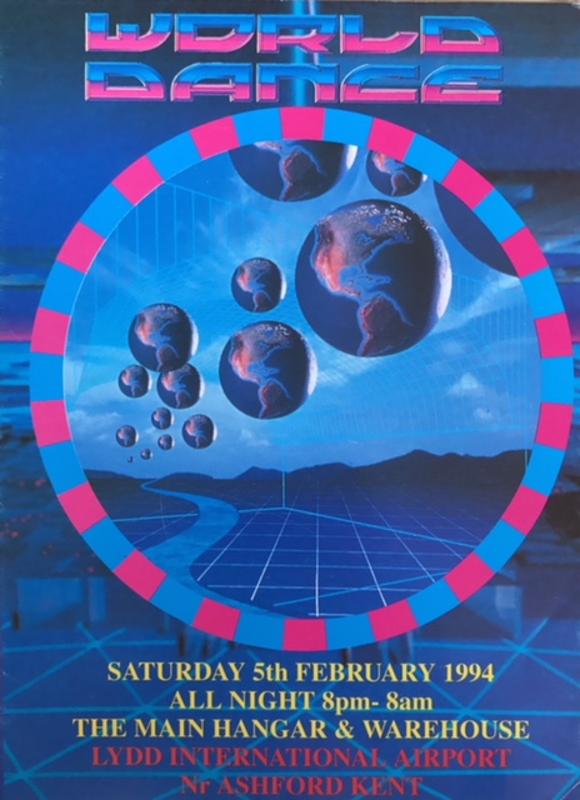
GQ’s importance also lies in his versatility. His voice appears across World Dance, One Nation, national radio and international bookings, yet he adjusts his intensity to the selector rather than imposing one fixed performance style. His long partnership with Randall became particularly celebrated because of that instinctive musical chemistry.
Across more than three decades, GQ has remained a model for MCs who understand the role as collaboration: reading the DJ, reading the room, creating recognisable phrases without overcrowding the music, and using the voice to connect the booth with the crowd. That approach has influenced generations of jungle and drum & bass hosts.
MC GQ in frame


The voice across the jungle years
These recordings show the same MC adapting to very different selectors and stages.
GQ on the mic


Key appearances in context


Explore the legacy
The DJ’s MC.
GQ’s legacy is the proof that an MC can be unforgettable without ever crowding the music.
