
Murray Beetson
The builder behind Dreamscape: a promoter who made scale, production and the Sanctuary itself part of rave history.
Building the room before the records could play
Murray’s story is not only about big flyers and big names. It is about the graft, risk and belief that made thousands of people able to experience rave together.
Murray Beetson belongs in rave history because he built the conditions in which thousands could hear the music. The names on the line-up mattered, of course. But somebody had to find the space, make it legal, get the doors opened, take the financial hit and turn an idea into a night people trusted enough to travel for. That was Murray’s game.
The Dreamscape story begins in 1988, when Murray and Richard Clark — DJ Clarkee — met Craig Campbell in Tenerife. Campbell was already running ESP parties at Northampton’s Roadmender. The talk quickly became practical: how could the night become bigger, tougher and more ambitious? Back in Britain, Murray found Castaways — later Milwaukees — in Souldrop, Bedfordshire. Its rural setting and low-ceiling intensity made it a natural early home for the rave sound.
By 1990, Murray had full control of ESP. Residents including Clarkee, Dougal, Matersafe and Swanee sat alongside guests such as Carl Cox, Grooverider and Jumping Jack Frost. That was the early training ground: not theory, not brand consultancy — learning what made a crowd come back and what it took to hold a night together.
Then came the leap. In 1991 ESP and Weekend World co-promoted Heaven on Earth at Brafield Stadium, a huge outdoor event that showed the appetite was there. A few months later Murray found the industrial building that would become inseparable from the Dreamscape name: The Sanctuary in Milton Keynes.
The building had an official capacity of only 400. Murray could see the potential for a proper warehouse-scale dance venue and paid for extra fire exits so it could legally hold around 4,000. It is one of those bits of rave history that sounds almost too ordinary to be mythic — doors, capacity, regulations, money — but without it there is no myth. There is no Sanctuary as people remember it.
Dreamscape became one of the defining organisations of licensed rave. Dreamscape 5 took the concept to Evolution in Hull; back at the Sanctuary, Murray kept pushing what a single rave could contain. The aim was never just to fill a room. It was to make an environment: bigger sound, bigger ideas, different areas, different crowds and the sense that you had entered a world built for the night.
That ambition took a brutal knock in 1993 when the planned three-day Woodstock 2 festival had to be cancelled. Murray refunded ticket buyers and honoured production, print, advertising and artist deposits from his own pocket. The hit was huge, but Dreamscape 7 returned at the Sanctuary and sold out in two weeks. Proper rave resilience: not pretending the fall never happened, but getting the doors open again.
By 1995, Dreamscape had reached Brafield Stadium for roughly 20,000 ravers. On New Year’s Eve, Dreamscape 21 linked the Sanctuary and Shepton Mallet by live satellite — another classic Murray move, treating production as culture rather than wallpaper around a DJ set. It was his final event.
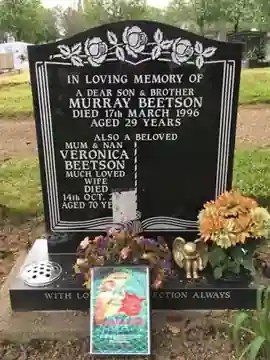
Late on 16 March 1996, less than a mile from home, Murray was involved in a car crash and died the next day. Dreamscape 22 was postponed, then returned to the Sanctuary as The Living Dream in his memory. The brand continued, but the people around it were clear: its driving personality had gone. His legacy remains every time people remember Dreamscape, the Sanctuary and the point when rave learned how big it could be.
From ESP to The Living Dream
ESP grows up
Roadmender roots, Milwaukees and a committed crowd give Murray the base from which to scale.
The Sanctuary
Heaven on Earth proves the appetite; a converted industrial building becomes rave history.
Risk & recovery
Woodstock 2 falls through, Murray protects buyers and suppliers, then Dreamscape 7 sells out.
Peak & legacy
Twenty thousand at Brafield, a satellite-linked NYE and a loss that changed Dreamscape forever.
Murray in the archive


Flyers that carry the scale of the night


Murray’s final event speaks for itself
Three recordings from Dreamscape 21, The Final Countdown — 31 December 1995.
Murray inside the Dreamscape story
Period Dreamscape footage with Murray Beetson himself speaking about the work behind the event — the promoter heard inside the machinery he helped build.

Dreamscape 20 — The Big Outdoors — 9 September 1995
The film includes Murray in interview and phone-conversation footage discussing and arranging preparations around Dreamscape, putting his own voice back inside the story.
The promoter as builder
Murray understood that a rave organisation could have a home, an identity, multiple arenas and a production standard that ravers trusted before they had read every name on the flyer.
The Sanctuary story captures it in one act: see a 400-capacity building, imagine thousands inside it, then make the physical changes needed to turn that idea into a legal, working reality. Rave history has plenty of creative risks. Murray also took the unglamorous risks that let other people’s creativity be heard.
