Tony De Vit
The Trade resident who made the hardest part of Sunday morning feel precise, joyful and limitless — then carried that queer after-hours energy into the wider rave circuit without losing where it came from.
From Midlands dancefloors to the sound of Trade
Tony De Vit’s story is not simply the story of a genre. It is the story of decades spent learning how to read a room, of queer club culture creating musical futures, and of a DJ whose technical control allowed extreme music to feel joyful rather than brutal.
Born in Kidderminster in 1957, Tony De Vit began DJing in the late 1970s, playing weddings, regional hotels and local venues long before national dance culture knew his name. Through the 1980s he became established on the Midlands gay-club circuit, most famously at Birmingham’s Nightingale, while also developing a reputation through local radio.
In 1988 he secured a residency at Heaven in London, arriving at a moment when acid house was exploding across the capital. His sets drew on hi-NRG, Italo house, tougher house and the increasingly accelerated sounds that would eventually feed into a new British club language.
That language found its natural home at Trade. Launched at Turnmills in Farringdon in 1990, Trade was London’s first legal after-hours club and one of the most important queer dance spaces of its era. Tony joined the resident family after his meticulously prepared C90 tapes impressed the club. As the Sunday morning moved deeper into daylight and the music became faster and more intense, De Vit became the DJ trusted to drive the room into its final gear.
His Trade sets were famous for pace, but speed alone explains very little. Tony’s reputation came from control: long, exact blends, immaculate programming and an ability to make tough records feel celebratory. He could move from muscular house into trance, techno and hard NRG without the transitions feeling forced. Twice he played twelve-hour sets at Trade, demonstrating that the man associated with the hardest part of the night also possessed extraordinary range.
In 1992 De Vit and Simon Parkes established V2 Recording Studio at Birmingham’s Custard Factory. The studio became the base for a remarkable run of production and remix work. Between 1994 and 1998 he produced or remixed more than one hundred tracks there. The building now carries a blue heritage plaque in his honour.
1995 was the breakthrough year. Burning Up crossed into the UK Top 40 after becoming a Trade anthem. His remix of 99th Floor Elevators’ Hooked became another defining club record. Most importantly for the documentary record, Tony delivered his first BBC Radio 1 Essential Mix on 8 January 1995. Listeners voted it Essential Mix of the Year, preserving nearly two hours of his sound at the moment it was breaking beyond the rooms that created it.
The wider rave circuit was hearing the same shift in real time. A surviving set from Dreamscape 20 — The Big Outdoors, 9 September 1995 catches De Vit far beyond the Sunday-morning walls of Trade, driving one of the biggest rave brands in the country. That crossover matters: the sound had grown in queer after-hours culture, but by the middle of the decade ravers from very different scenes were meeting it head-on.
By the second half of the decade Tony was one of Britain’s most in-demand DJs. He appeared across major rave and club events, became a Kiss FM presenter, placed fifth in DJ Mag’s Top 100 DJs, remixed major-label artists and helped take the harder house sound from queer clubs into the wider UK circuit. The Global Underground series documented his international reach, including the Tokyo mix that became one of the enduring records of his late career.
His importance was also personal. Tony became a mentor to the teenage Fergie, taking the young Northern Irish DJ seriously before almost anyone else did, passing on opportunities as well as demanding standards. Friends and colleagues have repeatedly described a man whose generosity and practical encouragement mattered as much as his technical reputation.
In early 1998 he recorded The Dawn with Paul Janes and Andi Buckley, a record widely regarded as one of his masterpieces. By then Tony was living with HIV. After serious bronchial illness he spent the final weeks of his life in hospital in Birmingham and died on 2 July 1998, aged only 40.
The loss froze an extraordinary career at its peak. Yet the music did not freeze with it. Trade’s influence continued through hard house, hard NRG and the generations of DJs who followed. Tony’s records were reworked by later producers; his 1995 Essential Mix was rebroadcast by the BBC; a documentary, Don’t Ever Stop: Tony De Vit, brought his life to a new audience; and in Birmingham the Custard Factory plaque makes permanent what club culture already knew.
Tony De Vit belongs in this Hall because his legacy reaches beyond a list of records. He represents a moment when underground queer nightlife, rave culture, radio, studio craft and world-class DJ technique collided — and the sound of British clubbing changed.
The road to hard house
Learning the room
Years of weddings, regional venues, radio and Midlands gay clubs build the instincts behind the later superstar DJ.
Heaven & Trade
London’s queer club culture gives Tony the environment in which hi-NRG, house, techno and harder sounds can become something new.
The breakout
Burning Up reaches the charts, the Essential Mix wins the listener vote and Tony’s reputation moves decisively beyond the underground.
Global reach
Kiss FM, international touring, Global Underground and a relentless studio schedule carry the Trade sound across the world.
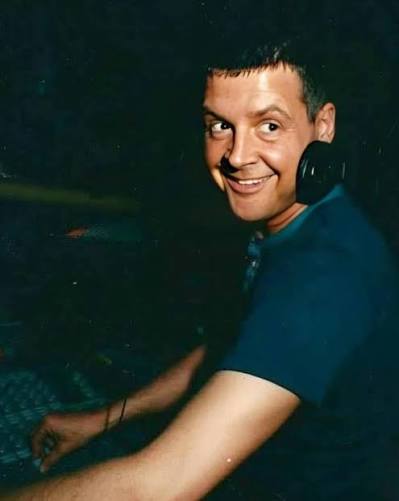
Tony in frame
The photographs keep the focus on the DJ himself — behind the decks, in the room and inside the culture whose sound he helped push forward.
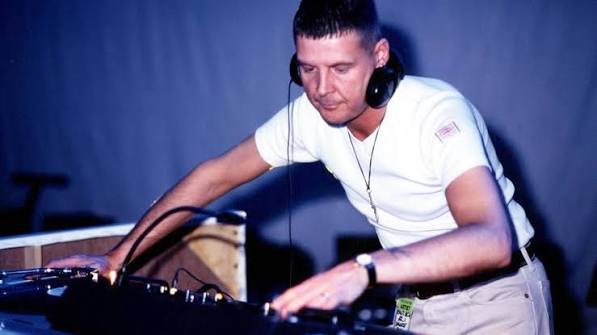 Tony De Vit.
 Tony De Vit.
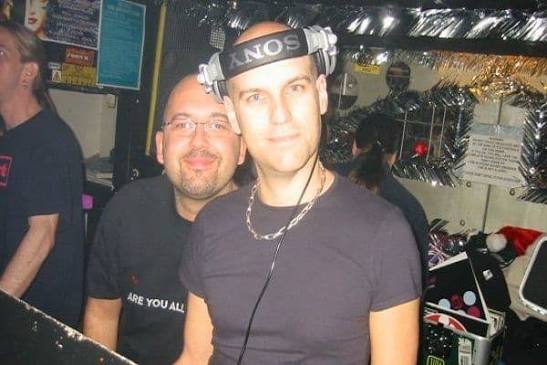 Tony De Vit.
 Tony De Vit.
Records, radio and the long night
Burning Up
A Trade-tested anthem that carried Tony’s high-energy sound into the UK charts.
Search the archive → BBC Radio 1
Essential Mix of the Year
The 8 January 1995 broadcast won the listener vote and remains one of the clearest documents of Tony at full power.
Twelve hours
His marathon Trade performances showed the range behind the hard-house reputation: many shades of house, built into one sustained journey.
Search Trade archive →The Dawn
Recorded with Paul Janes and Andi Buckley, The Dawn became one of the records most closely associated with Tony’s final period.
Search the archive →Tokyo
An international-era mix that documents how far the sound travelled beyond its London and Birmingham roots.
Explore preserved mixes ↗Fergie
Tony’s legacy includes the DJs he helped develop, most famously the teenager who would become one of the next generation’s major names.
Read the story ↗Don’t Ever Stop
Moving documentary footage places Tony back inside the rooms, relationships and queer club culture that shaped the sound around him.

The official trailer for the documentary about Tony’s life, Trade, hard house and his relationship with the next generation of DJs.
More than speed
Tony De Vit is often reduced to the phrase “godfather of hard house”. It is deserved, but incomplete. The deeper legacy is the craft underneath the intensity: the ability to make a very fast room feel controlled, musical and communal.
Trade also matters to that legacy. The sound did not appear in a vacuum. It developed in a queer after-hours culture that gave DJs permission to push further, and gave clubbers somewhere to be themselves while the outside world could be hostile. Tony carried that energy into the wider rave and club circuit without erasing where it came from.
His influence survives whenever a DJ treats technical precision as a way of creating release rather than showing off, whenever hard music is allowed to be joyful, and whenever somebody who has made it through the door turns around and helps the next person in.
Keep listening
Further reading
Don’t ever stop.
Tony De Vit’s career ended far too early. The sound, the technique and the people he inspired kept moving.
Return to the Hall of Legends →