
Stevie Hyper D
A formative British MC whose double-time flow, sung hooks and command of a rave helped turn the microphone into a central musical instrument of jungle and drum & bass.
The voice inside the breakbeat
Stephen Austin emerged from a British musical culture where hip hop, reggae, soul, rare groove and sound-system performance continually crossed paths. By the time hardcore was becoming jungle, Stevie Hyper D had developed a way of using the microphone that went far beyond announcing DJs or demanding noise from the crowd.
Hyper D could rhyme at extraordinary speed, but speed was only part of it. His phrasing locked into the breaks and then stepped away from them. He could sing, toast and rap, repeat a hook until thousands of ravers owned it, then leave space for the DJ’s next record to land.
Telepathy at the Wax Club became an important early platform. Pirate radio extended the reach, and his partnership with Nicky Blackmarket on Kool FM’s Super Sunday broadcasts became one of the era’s remembered DJ-and-MC combinations.
As jungle expanded nationally, Hyper D appeared across One Nation, Desire, Jungle Fever, Helter Skelter, Dreamscape, Innovation, Hysteria and other major promoters. Tape packs carried those performances far beyond the venues, turning lyrics and catchphrases into shared language.
His influence reached the generations of drum & bass MCs who followed and fed into the wider development of UK garage, grime and British rap culture. Hyper D demonstrated that a distinctly British cadence and club environment could produce a vocal form of its own.
He signed with Island Records and was working toward a broader recorded career before his death on 5 July 1998, aged 31. His reputation lived through tapes, memories, family stewardship and later documentary work, preserving both the public legend and the person behind it.
A language the crowd already knew
Wax Club
Telepathy gives Stevie a repeated live environment in which to sharpen the style.
Super Sunday
Kool FM and Nicky Blackmarket carry the voice beyond the club and onto countless cassettes.
National rave icon
Major promoters and tape packs make his lyrics part of jungle’s shared vocabulary.
The story continues
Family stewardship and documentary work reconnect his story with the wider history of UK MC culture.
Stevie Hyper D in frame
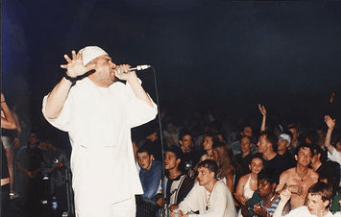 Stevie Hyper D.
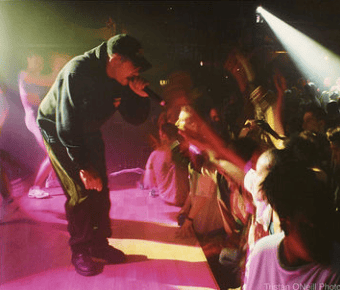 Stevie Hyper D.
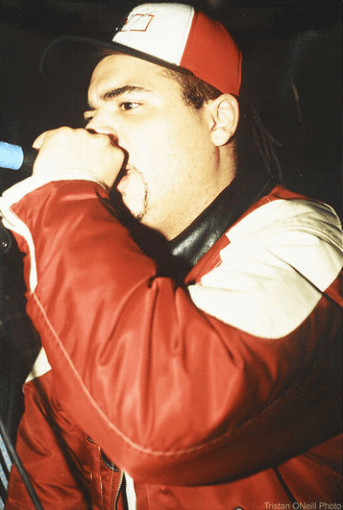 Stevie Hyper D.
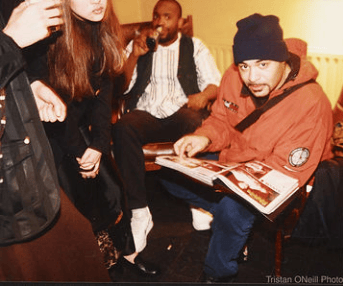 Stevie Hyper D.
 Stevie Hyper D on stage.
 Stevie Hyper D on the microphone.
The rave was the studio
 A Guy Called Gerald & Stevie Hyper D — BBC Radio 1 In the Jungle — 1996
 Andy C w/ MC Det & Stevie Hyper D — Slammin Vinyl, Bagleys — 1998
Surviving footage
 Nicky Blackmarket & Stevie Hyper D — Kool FM — 1995
 Brockie w/ Stevie Hyper D & Skibadee — One Nation — 1997
 Stevie Hyper D, Nicky Blackmarket & Devious D — Electric Circus
A proper live snapshot: three voices and a jungle dancefloor, captured without smoothing off the rough edges.
The story beyond the tapes
 The Junglist Soldier — The Life and Times of Stevie Hyper D
Matthew Gale’s radio documentary traces Stevie through sound-system culture, jungle and drum & bass with family involvement and archive recordings.
 HYPER: The Stevie Hyper D Story — Official Trailer
The feature documentary follows Stevie’s nephew Darrell Austin through family photographs, memorabilia and the wider history of Stevie’s influence.
A name printed into rave history

This One Nation flyer places Stevie at Stevenage Arts & Leisure Centre on 1 May 1998, alongside Fearless, Dett, Skibadee, Shabba D and other MCs. It is the sort of surviving printed evidence that anchors the remembered voice back into a specific night, venue and line-up.
Flyers, radio recordings and tape packs are especially important to Stevie’s history because so much of his work was live and ephemeral. The archive preserves the context around the performances as well as the performances themselves.
The MC became part of the music
Before jungle, British rave MCing often emphasised hosting and crowd control. Hyper D helped show that the voice could have its own musical architecture: rhythm, melody, recurring motifs and dynamic space.
That approach influenced the drum & bass MCs who followed, while the wider culture helped establish a lineage for UK garage, grime and later British MC styles. His death cut off a career just as the wider music industry was beginning to recognise what the rave scene already understood.
Keep the voice alive
Bad boy come again.
The tape may stop. The voice does not. Stevie Hyper D remains inside the rhythmic language of British rave MC culture.
Return to the Hall of Legends →