
Juan Atkins
Detroit techno originator behind Cybotron, Model 500 and Metroplex — a futurist whose machine-funk vision helped give techno its sound, language and global future.
Before techno had a name, Juan Atkins was already building it
Juan Atkins did not arrive after Detroit techno had formed. His records, ideas and independent infrastructure are part of the reason the form existed at all.
Juan Atkins began making futuristic electronic music around Detroit before techno had settled into a recognised genre name. Black American funk — particularly Parliament-Funkadelic — sat alongside the electronic precision of Kraftwerk, while Detroit radio opened a route between worlds that conventional genre boundaries kept apart.
The Electrifying Mojo mattered enormously. His broadcasts could move between funk, rock, European electronic music and new local records without treating those sounds as separate universes. Atkins absorbed that freedom alongside Derrick May and Kevin Saunderson in Belleville, Michigan. The three friends would later become known as the Belleville Three, but Juan’s own recorded path was already underway.
In 1980 Atkins formed Cybotron with Richard “Rik” Davis. Their music combined synthesizers, drum machines, funk, futurism and the social landscape of industrial Detroit. Alleys of Your Mind appeared in 1981; Cosmic Cars, Techno City and especially Clear pushed the machine-led language further. Clear became an electro landmark whose influence travelled far beyond the scene that produced it.
The terminology was part of the project. Atkins and Davis drew on futurist ideas, including Alvin Toffler’s writing about technology and society. Words such as Cybotron, Metroplex and techno belonged to a conceptual world in which machines were not decoration but a way of imagining what music and cities might become.
After leaving Cybotron in 1985, Atkins launched Model 500, founded Metroplex and released No UFO’s. That combination — artist identity, record label and a stripped, independent machine sound — became foundational to Detroit techno. Metroplex gave Atkins control over his own work while creating an outlet connected to the wider Detroit network.
In Britain and Europe, Detroit records circulated alongside Chicago house and acid just as club culture was accelerating toward rave. The 1988 UK compilation Techno! The New Dance Sound of Detroit helped fix the word “techno” to the Detroit sound for an international audience. Atkins’ own insistence on the term, and the futuristic music behind it, were central to that story.
Model 500 remained his principal solo identity, but it was never the only one. Infiniti opened another route into deeper electronic work, while later collaboration with Moritz von Oswald as Borderland showed that the same curiosity remained active decades after the first Cybotron records. Atkins also returned to Cybotron in later years rather than treating the project as a sealed historical artefact.
His connection to British rave was not abstract. Atkins later remembered the shock of arriving in Britain and seeing thousands of young ravers respond to music made by Black artists in Detroit. The UK did not create Detroit techno, but rave became one of the major systems through which that music reached enormous new audiences.
On 1 November 2026, Atkins’ agency confirmed his death after he had been found unresponsive in Mexico City before a scheduled performance. Contemporary reporting does not give Rave Archive UK a sufficiently settled exact date of death to print one as fact, so the Hall records the year 2026 rather than pretending certainty. No official cause of death had been confirmed at the time this memorial was updated.
Juan Atkins belongs in the Hall not because techno needs another myth, but because the documentary trail is unusually clear: Cybotron, Model 500, Metroplex, Infiniti, the Belleville network and the records themselves show a musician repeatedly turning ideas about technology, Black music and the future into a language the rest of electronic dance culture learned to speak.
A future built in public
Cybotron
With Richard Davis, Atkins turned funk, synthesizers, drum machines and futurist ideas into records including Alleys of Your Mind, Clear and Techno City.
Model 500 & Metroplex
No UFO’s, the Model 500 identity and the launch of Metroplex gave Atkins a fully independent platform for the next phase of Detroit electronic music.
Techno reaches Britain
The UK compilation Techno! The New Dance Sound of Detroit carried Detroit’s music and its name into a rapidly expanding European dance culture.
The idea keeps moving
Model 500, Infiniti, Metroplex, Borderland, live work and the later return of Cybotron kept Atkins connected to the future rather than frozen at techno’s point of origin.
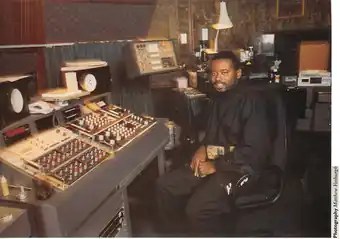
Juan Atkins in frame


The machine music still moves
Surviving recordings and moving footage keep the work itself beside the history.

A surviving live recording from Detroit, connecting the Metroplex story back to the DJ booth.

Moving footage of Atkins at the decks in Detroit, preserving the performer as well as the producer.
Juan Atkins on the legacy
Resident Advisor’s 2024 Exchange interview was recorded live at IMS Ibiza and preserves Atkins reflecting on Detroit, Cybotron, Model 500, Metroplex, the state of techno and what remained ahead. For an archive, first-person testimony matters: the history is stronger when the person who lived it is allowed to speak beside everybody else’s interpretation.
Detroit into British rave
Rave Archive UK tells a British story, but that story cannot honestly be told as though Britain invented every sound it amplified. Detroit techno was already developing its own language before the UK rave explosion, and Juan Atkins stands close to its documented beginning.
His records entered Britain through DJs, import culture, compilations, clubs and the same fast-moving exchange that brought Chicago house and acid into new spaces. Once rave became mass culture, techno was not an outside influence looking in: it was part of the musical vocabulary on the floor.
That makes Atkins more than an important American artist included for completeness. His work is one of the routes by which the electronic future imagined in Detroit became part of the sound of British rave.
Keep listening
Documenting Juan Atkins
Archive note: contemporary reporting is not fully consistent on the exact calendar date of Juan Atkins’ death. In keeping with the Hall’s accuracy rule, this memorial records the year 2026 rather than presenting an uncertain exact date as settled fact.
The future he named is still playing.
Juan Atkins helped turn machines, funk and an idea of tomorrow into a musical language heard around the world. The records remain; the influence keeps moving.
Return to the Hall of Legends →