
Juan Atkins
From Cybotron and Model 500 to Metroplex, Juan Atkins sits at the foundation of Detroit techno — electronic futurism that changed dance music far beyond Detroit.
Why Juan Atkins matters
Juan Atkins began making futuristic electronic music around Detroit before techno had settled into a recognised genre name. He’d grown up with Black American funk — Parliament and Funkadelic were a huge part of the picture — but then Kraftwerk came through the speakers and sounded like they’d landed from somewhere else entirely. Put those things together and you start to hear where Juan’s head was going.
Detroit radio mattered massively. The Electrifying Mojo didn’t respect the usual walls between Black radio, rock, funk and electronic music. His shows could jump from James Brown and Prince to Kraftwerk and something completely unexpected. For Atkins, Derrick May and Kevin Saunderson out in Belleville, that was an education you couldn’t get from one record shop section. They soaked it all up, swapped ideas and records, and the three friends would later get tagged the Belleville Three.
Juan was already making electronic music of his own when he met Richard “Rik” Davis. Davis had a room full of gear and shared Juan’s fascination with machines, science fiction and the future. Together they became Cybotron. Even the name sounded like machinery. Their first single, “Alleys of Your Mind”, came out in 1981 and The Electrifying Mojo played it on Detroit radio, connecting Atkins’ own early electronic work back into the broadcasting culture that had influenced him.
Cybotron kept pushing that machine-funk idea through records such as “Cosmic Cars”, “Techno City” and “Clear”. “Clear” in particular became an electro blueprint: hard electronic drums, a distinctive bassline, spacious arrangement and a machine-led sound that remained influential for decades. This was before Detroit techno had become a recognised scene with a convenient name. They were simply making the future they could hear in their heads.
The language around it was futuristic too. Atkins and Davis were interested in Alvin Toffler’s writing about technology and society and built their own little vocabulary around ideas like Cybotron and Metroplex. “Techno” was already part of that conceptual world before it became the broadly adopted name for the music.
By 1985 Cybotron had run its course for Atkins. He went solo as Model 500, set up Metroplex and released “No UFO’s”. The record marked a clear shift toward Atkins’ stripped, machine-led solo sound. It was leaner, tougher and built completely around machines. Juan was linking a TR-909 and DrumTraks using the still-new world of MIDI, recording in his own setup rather than waiting for some giant studio to tell him what electronic music ought to sound like.
Metroplex then became more than somewhere to put his own tunes. Derrick May, Kevin Saunderson, Eddie Fowlkes and others were part of the same growing Detroit network, sharing ideas and sometimes equipment while each developed a different version of the sound. Juan’s Model 500 records — “No UFO’s”, “Night Drive” and what followed — kept that stripped machine soul at the centre.
European DJs and audiences adopted Detroit records alongside Chicago house and acid, carrying the music into clubs and warehouses that fed directly into rave culture. Atkins later recalled the scale of British audiences responding to music made in Detroit. The UK did not create Detroit techno, but rave provided those records with another major audience and circulation network.
Juan kept moving under Model 500 and other names including Infiniti, while Metroplex carried on. Deep Space eventually arrived as a Model 500 album in 1995, and the music travelled through techno generations that hadn’t even existed when “Alleys of Your Mind” was made. The machines changed, but Juan never became nostalgic about having to use the old ones. Technology was the whole point — use what’s available and see what new thing it’ll let you make.
The archive is still moving. In 2026 Tresor announced an expanded and remastered Infiniti Collection, licensed from Metroplex and scheduled for 30 October, pulling together a substantial part of Atkins’ deeper Infiniti catalogue for a new generation. Metroplex itself remains active, while Juan continues to appear internationally as both performer and speaker on the origins and future of electronic music.
Juan Atkins belongs near the roots of Rave Archive UK’s wider story because British rave inherited part of its electronic vocabulary from Detroit. Cybotron, Model 500, Infiniti and Metroplex document that lineage years before rave became a mass British culture, while the continuing releases and live work show how far the music and its audience travelled.
From Cybotron to Metroplex
Working with Richard Davis, Atkins developed an early electronic language through records including “Alleys of Your Mind”, “Clear” and “Techno City”.
From 1985, Model 500 became Atkins’ principal solo identity, beginning with “No UFO’s” and extending through later albums and live work.
His label created a durable home for Detroit electronic music and connected Atkins’ own releases with a wider network of producers.
Detroit records reached British and European clubs as house, acid and rave expanded, giving the music a major audience beyond its home city. That exchange is still active in 2026: Atkins continues to tour internationally under his own name, including Japan and a European run built around the language of Detroit techno rather than a heritage-only live show.
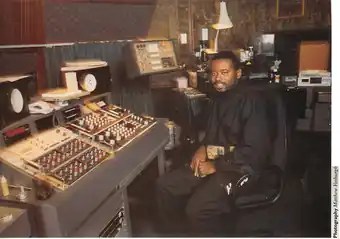
Juan Atkins in frame


From the archive
 Juan Atkins — Live at Metroplex, Detroit — 1998
 Juan Atkins — archive video
Detroit into British rave
Atkins’ importance to Rave Archive UK lies in the documented route from Detroit electronic music into the British club and rave system. Cybotron and Model 500 predate the UK rave explosion, but their records entered the same DJ culture that was absorbing Chicago house and acid. By the late 1980s and early 1990s, Detroit techno was no longer a distant influence: it was part of the music circulating through British clubs, warehouses and raves.
