Graeme Park
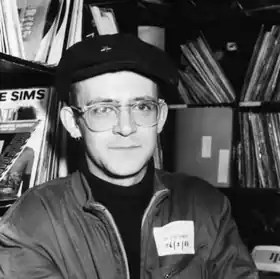
One of the DJs most closely identified with The Haçienda, Graeme Park helped turn American house records into the soundtrack of Manchester’s late-1980s club revolution.
Why Graeme Park matters
Graeme Park’s route to The Haçienda began through record shops, imports and DJing in Nottingham while house music was still a specialist sound in Britain. While working at Selectadisc he encountered Steve “Silk” Hurley’s Jack Your Body, one of the DJ International Records releases helping turn Chicago house into a British club phenomenon. The Garage became his early home, and that residency gave him the chance to play the Chicago and New York records that were beginning to change British clubs from the inside.
That record-shop connection mattered. Before downloads, streaming or promos landing in an inbox, finding the right import could genuinely put a DJ ahead. You’d hear a record in a club, spend the next week trying to work out what it was, then hope somebody behind a counter had managed to get a few copies into the country. Park was close to that flow of new music, and the Garage crowd got the benefit.
Manchester was changing at the same time. Park met Mike Pickering in 1987 through the wider club scene, and in February 1988 they staged The Northern House Review at The Haçienda to showcase the northern house movement around Park’s Submission label and Pickering’s Deconstruction. Four months later Park covered Pickering’s Nude Friday residency while Mike was away, beginning the working partnership most closely associated with the club’s house years.
The Haçienda had not always been the packed acid-house landmark remembered in later accounts. House music helped transform it. Chicago house, New York garage, acid records and whatever else Pickering and Park could get hold of started pulling in a crowd that wanted to dance rather than watch a band. Suddenly a club that had struggled at different points was absolutely heaving.
Park’s style was broad rather than tied to one narrow label or genre. Vocal house could sit next to raw Chicago tracks, garage grooves and acid. On a Saturday at the Haçienda, that meant shaping a room across several hours rather than relying on a short run of obvious anthems.
By the time Britain hit the full acid-house and rave explosion, the Haçienda was one of the places everybody had heard about whether they’d actually made it through the door or not. Manchester’s whole atmosphere was changing around it too — music, clothes, bands, clubs and a city suddenly being watched from everywhere. Park was right in the booth through that madness, week after week, while the records that had once been specialist imports became the sound of a generation.
The Haçienda story is often told through Factory Records, architecture and famous photographs, but the resident DJs and the music coming through the sound system were equally central to how the club functioned. Resident DJs are the people who build that relationship with a crowd. They know which new record needs another week before it’ll go, which tune can rescue a flat floor and which one will make everybody lose their heads because they’ve been waiting all night for it.
Park’s career carried on well beyond Manchester. As house music spread into the 90s he played around Britain and internationally, moving through the club and rave circuit without pretending he’d suddenly discovered a different culture. Later radio, compilations and Haçienda-related shows kept him connected to the music, including projects revisiting those records with live musicians and orchestral arrangements.
For Rave Archive UK, the surviving 5 November 1991 Graeme Park set means the Haçienda does not have to be understood only through retrospective accounts. The recording preserves the music and pacing of the room while the club was still operating. You hear the records, the pacing and the sort of house music actually being played while the club was still alive.
That’s why Graeme Park matters here. British rave didn’t grow only from illegal warehouses and giant outdoor parties. It also grew out of resident DJs turning up every week, finding new records and teaching a room how to hear them. Park did that in Nottingham and then at one of the most famous clubs Britain ever produced. The flyers and pillars are history; the set tells you why people kept coming back.
Nottingham to The Haçienda
Park developed through Nottingham record culture, importing and selecting American house before it became a mainstream British club sound.
His Nottingham residency gave him a regular room in which to establish Chicago house, New York garage and related imports with a local audience.
From 1988, Park’s Saturday-night work alongside Mike Pickering became one of the central DJ partnerships of the club’s house era.
International DJing, radio and Haçienda Classical extended that history well beyond the original Manchester residency. In 2026 Haçienda Classical marked ten years of shows at Castlefield Bowl, while Park’s own diary still mixes those large heritage productions with straight house sets and radio work.
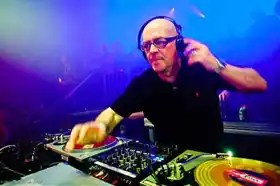
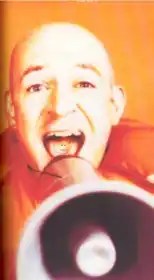
Graeme Park in frame


From the archive
Graeme Park — The Haçienda — 5.11.91 Graeme Park — archive video
The resident DJ as infrastructure
Park’s importance to the archive is not just that he played a famous club. His Nottingham and Manchester residencies show how house music took root through repeated weekly exposure, specialist imports and the trust built between resident DJs and regular crowds. The 1991 Haçienda recording preserves that process as an operating club culture rather than a later memory of it.
