

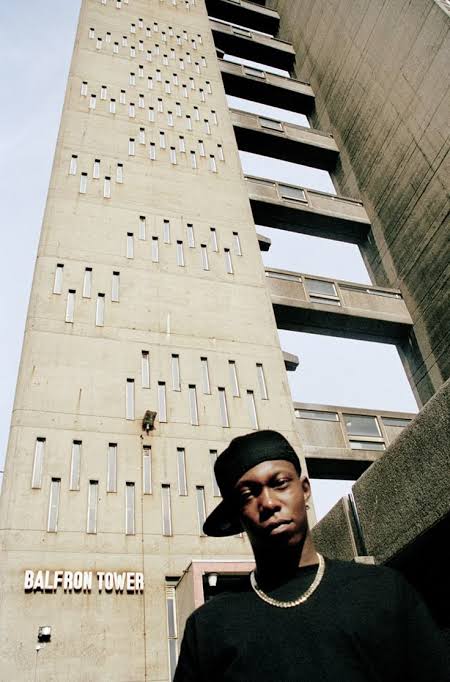
Dizzee Rascal
From Bow pirate-radio energy and Roll Deep sessions to a debut album that changed the scale of UK grime, Dizzee Rascal carried the sound’s raw East London pressure into the wider world without erasing where it came from.
Bow pressure, built from the set
Dizzee Rascal belongs in this archive because grime did not appear from nowhere: its early form was shaped by pirate radio, MC culture, garage’s hard edge and the wider London continuum.
Dizzee Rascal — Dylan Mills — is from Bow, East London. Before the Mercury Prize and the festivals, the framework was local radio and a teenage ear tuned to rhythm, noise and impact. He DJed and MCed around the pirate-radio world, absorbing the same live pressure that ran through jungle, garage and the new grime sound.
That is why the early records land differently from a tidy genre history. Dizzee was making his own beats as well as writing, and the productions were spare, wired and physical: bass, awkward angles, sharp drums and a voice that did not smooth itself out for anyone. The point was not polish. It was a young East London MC and producer documenting the atmosphere around him in real time.
His place in Roll Deep connected him to the crew-and-radio side of early grime. Those sessions mattered as much as a release schedule: voices tested in front of listeners, bars sharpened in clashes and broadcasts, and a sound developing in public before it had a comfortable name in the mainstream.
Boy in da Corner, released in 2003, brought that intensity onto album length. The record was not a cleaned-up museum piece for outsiders; it kept the tension, humour and unease of its source world. Winning the Mercury Prize that year made the scale of the breakthrough impossible to ignore, but the album’s value is still in its detail: it sounded like a real place and a real moment, not a marketing category.
The later catalogue travelled through pop, hip-hop and club records while the original voice remained intact. The Rave Archive UK Kool London recording from November 2007 is another useful marker. Dizzee shares the studio with D Double E, Funsta, Skibadee and Harry Shotta: jungle MC tradition, pirate-radio craft and grime-era names in the same room, without anyone needing to explain the crossover.
From pirate radio to a lasting catalogue
Radio, MC craft and production
Local pirate-radio and crew culture gave the young Dizzee a place to DJ, MC and make beats before the wider music world was watching.
Roll Deep and the new sound
Roll Deep placed him inside the collective force of early grime: radio, raves, clashes, recordings and a distinctly East London way of speaking on rhythm.
Boy in da Corner
His self-produced debut made grime’s possibilities impossible to miss, with I Luv U and the Mercury Prize putting an uncompromising local sound on a national stage.
Beyond the first breakthrough
Later releases expanded the audience and the collaborations. The important thread remains the same: a voice and production instinct forged before grime was treated as a global export.
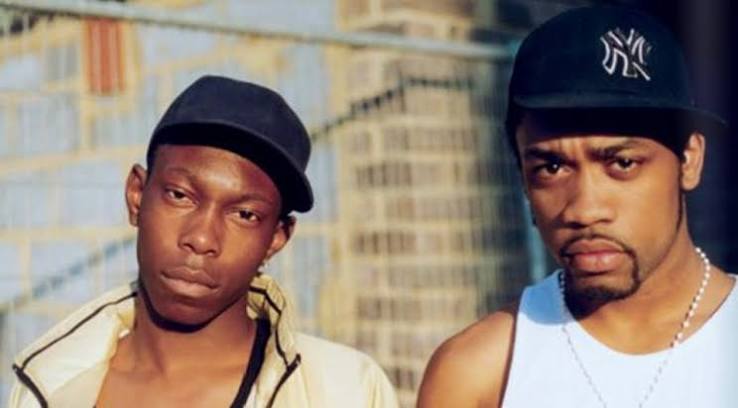
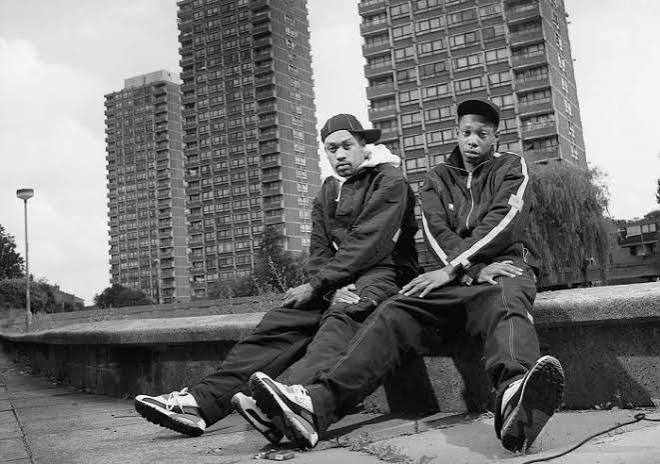
Dizzee Rascal in the frame
Genuine artist images supplied to the Rave Archive UK source set.


Kool London, the crossover in the room
A November 2007 broadcast with Dizzee Rascal, D Double E, Funsta, Skibadee and Harry Shotta — real radio evidence of the shared London continuum.
The voice still moves forward
A verified official Dizzee Rascal video — moving footage, not an audio-only upload.
 Dizzee Rascal — What U Need
Official music video.
The first wave never left the record
Dizzee Rascal is not here as a later mainstream footnote. His earliest work demonstrates how pirate radio, garage, jungle-adjacent MC discipline and East London crew culture fed directly into grime’s language.
The archive value is in the continuity: a self-made producer and MC taking the pressure of the set into records that travelled far beyond it, while recordings like the Kool London session keep the original environment audible.
